Global demand for mobile technology has never been higher. But behind the headline numbers lies a more complex truth.
Hardware retail is fighting against the current. Upgrade cycles are lengthening and unit growth is modest across the industry. For a while, retailers offset this trend by increasing basket size with higher priced premium devices or by attaching accessories like headphones or cases. But that lever has its limits, particularly in the face of sustained geopolitical and macroeconomic pressure.
RAM prices have jumped as AI-driven demand strains global supply. Inflation and weak consumer spending continue to bite, while ongoing tariff uncertainty looms perpetually over the supply chain. The truth is that while the specific challenges may shift, rapid-change and instability is now a constant and hardware needs to adapt.
What’s needed is a more resilient economic model for device retail. One that smooths revenue across quarters, lifts margin per device, and reduces dependence on launch cycles and promotional spikes.
Industry leaders like Apple and Samsung saw this coming years ago. As upgrade-led growth slowed, they turned to monetising their installed base through services like Samsung Cloud, iCloud, Apple Pay, and Apple TV+. Apple is now even winning Golden Globes (shout out The Studio).
Subscription services offer a solution to instability by generating predictable, high-margin revenue. According to the Financial Times, Apple’s services account for around a quarter of its revenue but as much as 50% of its profit.
But there’s one service that fits naturally into the hardware value chain that has, until now, been largely overlooked by phone retailers. It’s essential to every phone owner, can be launched easily by any retailer, and doesn’t cost anywhere near as much as owning your own TV studio. I’m talking about embedded mobile connectivity.
Telecom for the platform age
Historically, launching a mobile service required deep telecom expertise, dedicated infrastructure, and ongoing operational investment. It meant new CRM systems, support teams, and significant regulatory overhead. For most retailers, that made the idea impractical.
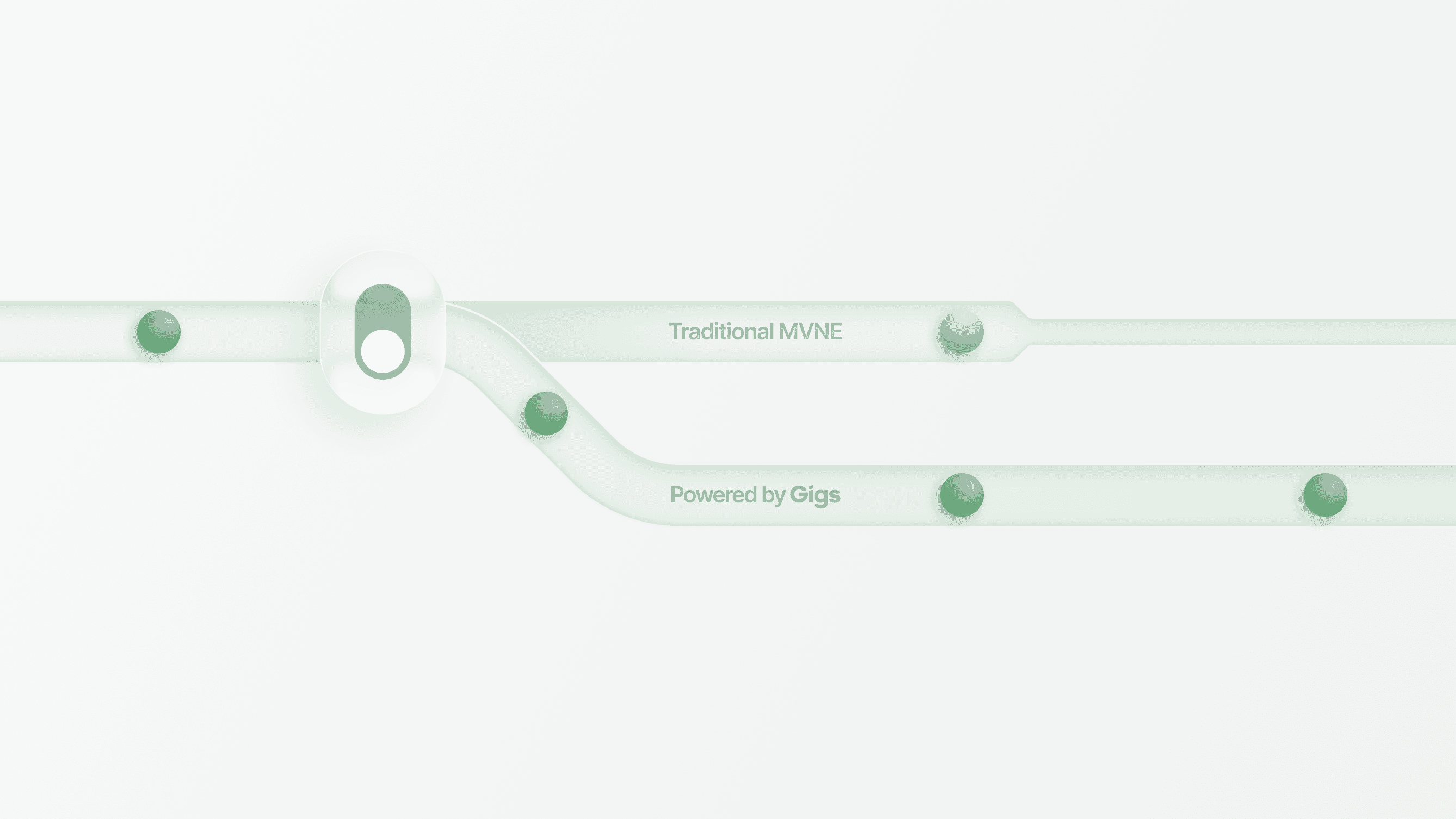
That equation has now changed. Gigs, the telecom OS, allows retailers to embed mobile connectivity into their purchase flows without managing telecom operations in house. There is no need to work with an MVNE, integrate complex OSS and BSS systems, or take on the legal and regulatory burden of becoming a mobile operator.
Just as Stripe makes payments simple, Gigs removes the friction from telecom, handling everything from SIM activation to number transfers and customer support, while giving retailers access to premium connectivity directly from the world’s leading networks, like AT&T and Vodafone.
This shift has driven the capital and operating costs of launching a mobile service close to zero and transformed connectivity from a low-margin commodity into a high-margin product feature. Mobile plans can now be embedded directly into apps, websites, and checkout flows. eSIMs can be activated in a tap, and users can connect to the world’s best networks instantly.
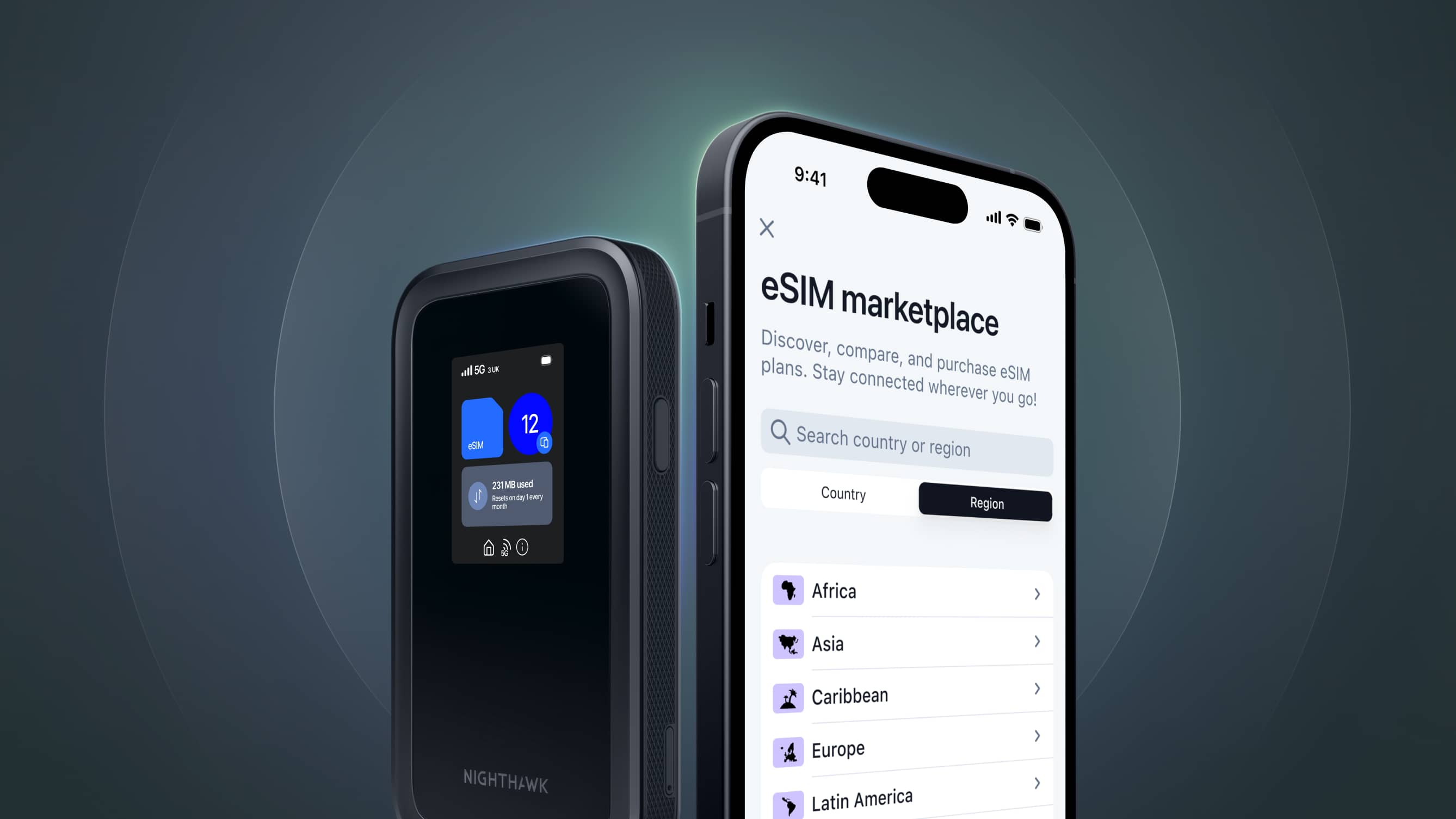
Companies like NETGEAR are already taking advantage; this year, it launched an eSIM marketplace that offers on-demand connectivity alongside its latest devices. Fintechs such as Revolut and Klarna have also moved into mobile, recognising the opportunity to deepen engagement and unlock new revenue through one of the most essential, high frequency products in modern life.
Twice the lifetime revenue per device
By selling mobile plans alongside devices, phone retailers solve two problems at once: They drive profit and tighten control of the customer experience.
Selling connectivity alongside hardware can generate up to twice the lifetime revenue per device. That additional income means new commercial flexibility. Mobile revenue can underwrite new consumer offers like aggressive hardware discounts or phone financing. It can also be used to support innovation, offering cashflow for R&D, capital for manufacturing new devices, and a stronger revenue model for raising investment.
The impact on the customer experience is just as significant. Getting a mobile plan has long been a painful experience with in-store visits and manual activation steps that feel out of step with modern commerce. Embedding connectivity at checkout removes that complexity.
The result is a cleaner, more intuitive experience that aligns with how consumers expect products to work. Devices arrive ready to use, support queries and returns decline, and retailers establish a more direct relationship with their customers.
From hardware to subscription service
As device retailers expand beyond once-every-few-years product sales toward subscription revenue, the integration of hardware and mobile connectivity feels long overdue.
Mobile is the one service that every phone-owner needs, and the one that fits most naturally into the phone retail experience.
In a market shaped by margin pressure, tariff threats, and rising input costs, embedded connectivity offers something rare: stronger predictable economics and a simpler customer experience.
This isn’t a small change, it's a new model. One that increasingly makes sense.