Telecom is undergoing a seismic shift. Once sidelined as a heavy, slow-moving legacy play, it is finally being rethought for the digital age: it is becoming software.
At Gigs, we’re building the operating system that’s reshaping modern telecom. Among the team is Maja Arrefelt, who supports Gigs’ fintech strategy and brings firsthand experience in pushing long stagnant sectors into real reinvention.
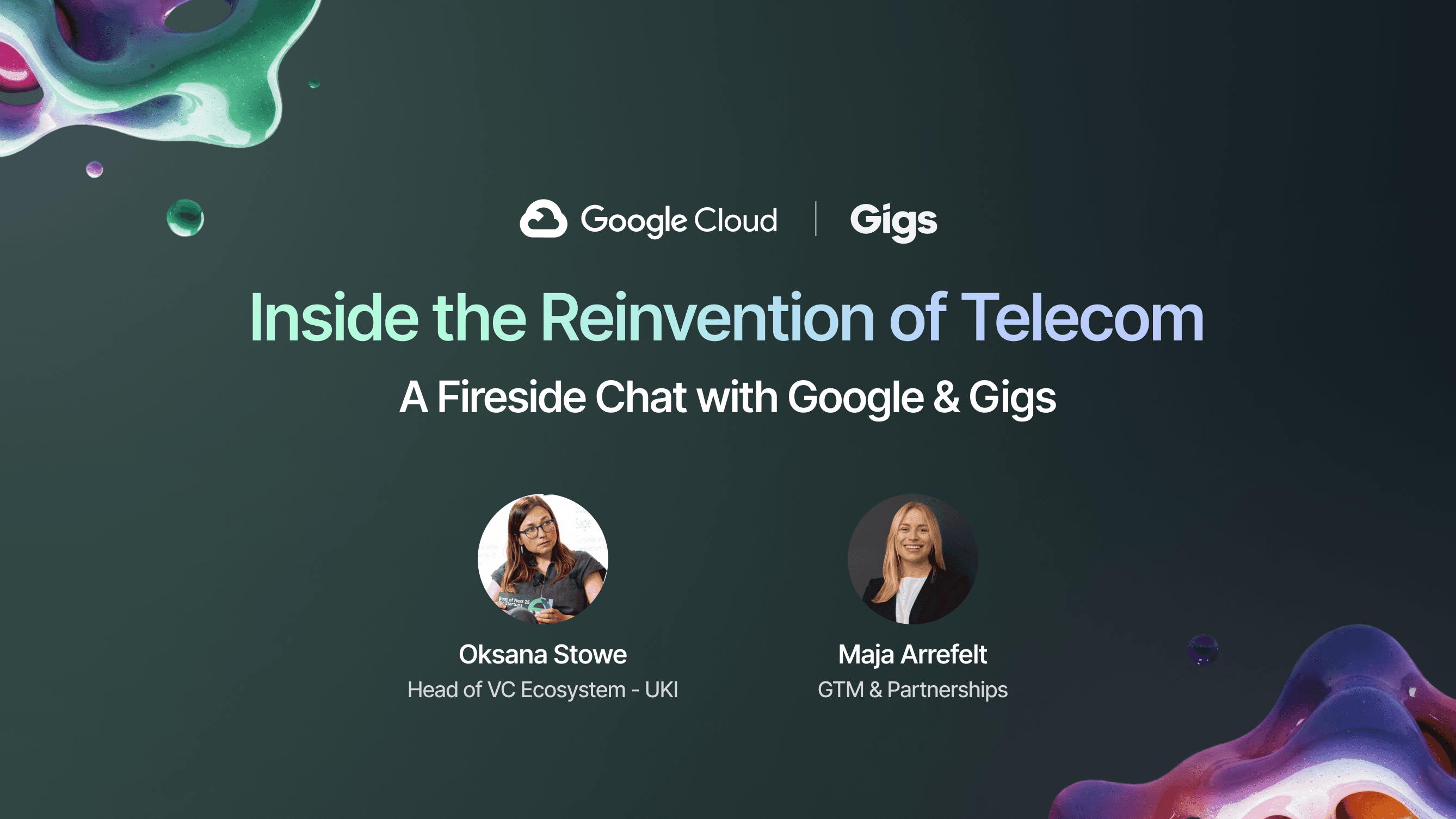
During Slush, one of the world’s most anticipated gatherings for tech builders, Maja and Google Cloud’s Head of VC and Startup Ecosystem Oksana Stowe stepped on stage to explain why telecom’s long overdue transformation is happening now, why embedded connectivity is the logical next frontier for fintechs, and why scaling companies are rethinking their approach to employee phone plans.
Telecom is ready for a renaissance
For decades, telecom has operated on closed systems, opaque contracts, and infrastructure designed and built for an analog world. For companies trying to launch even a basic mobile plan, the barriers are remarkably high. According to Arrefelt, “Launching mobile plans today takes around 18 months and a multimillion-dollar buildout.” That’s just for one market, on one carrier. It’s an incredibly high starting line just for the first subscription.
At Gigs, we’ve spent hundreds of thousands of hours building the underlying layers, customer support tools, and automations to the best possible standard, as well as developing strong relationships with the top carriers in each market. We’ve been singularly obsessed with creating this product that drives real added value so that every other company can confidently plug into us and immediately get started.
Despite being the infrastructure that powers our digital lives, telecom hasn’t kept pace with the innovations that have transformed other essential experiences, such as payments, travel, and shopping. Moreover, consumer expectations have shifted dramatically. Gen Z and millennials believe in buying from brands they trust; brands that make life simple. For them, nothing should be more complicated than a few taps on a screen.
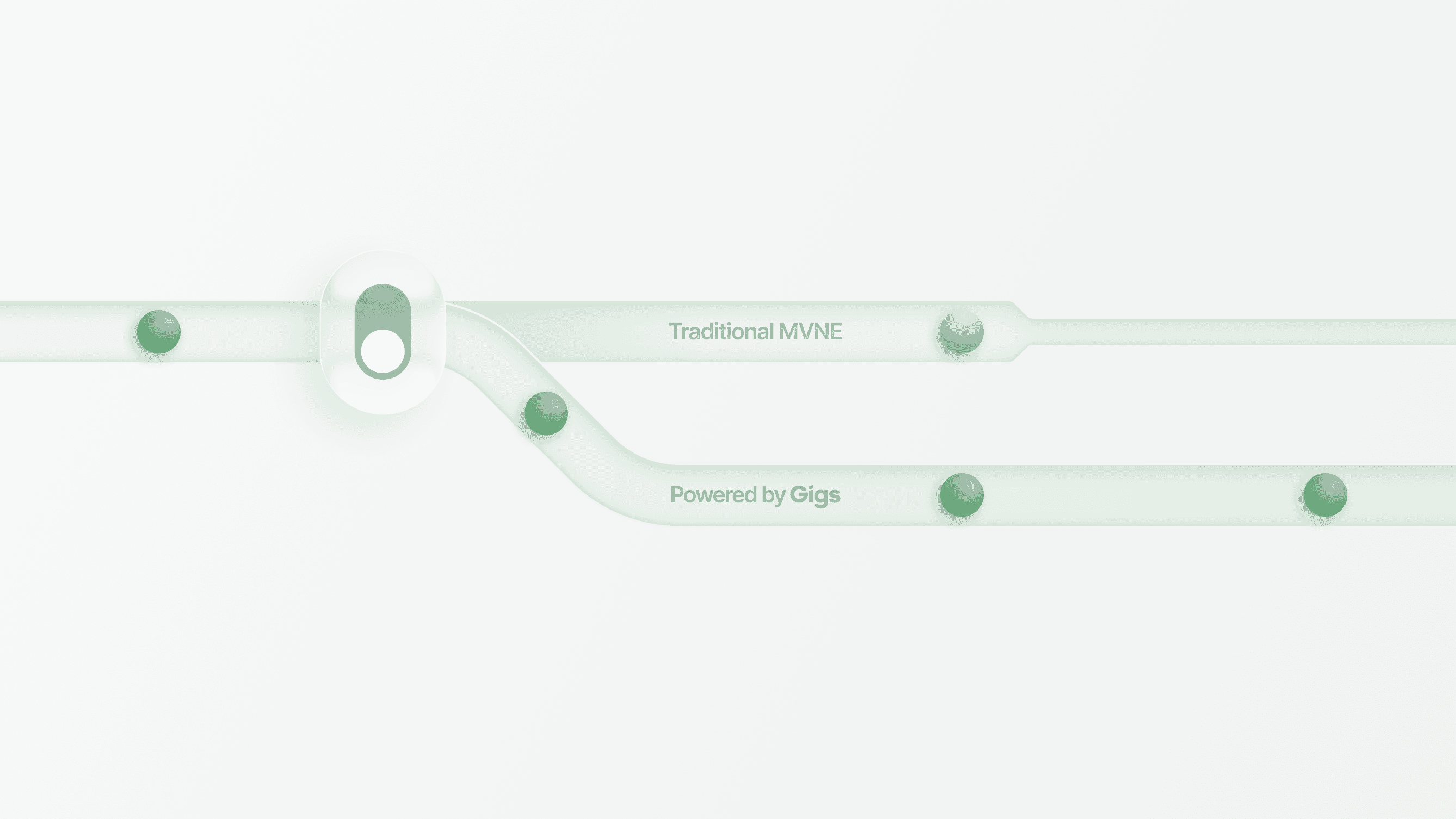
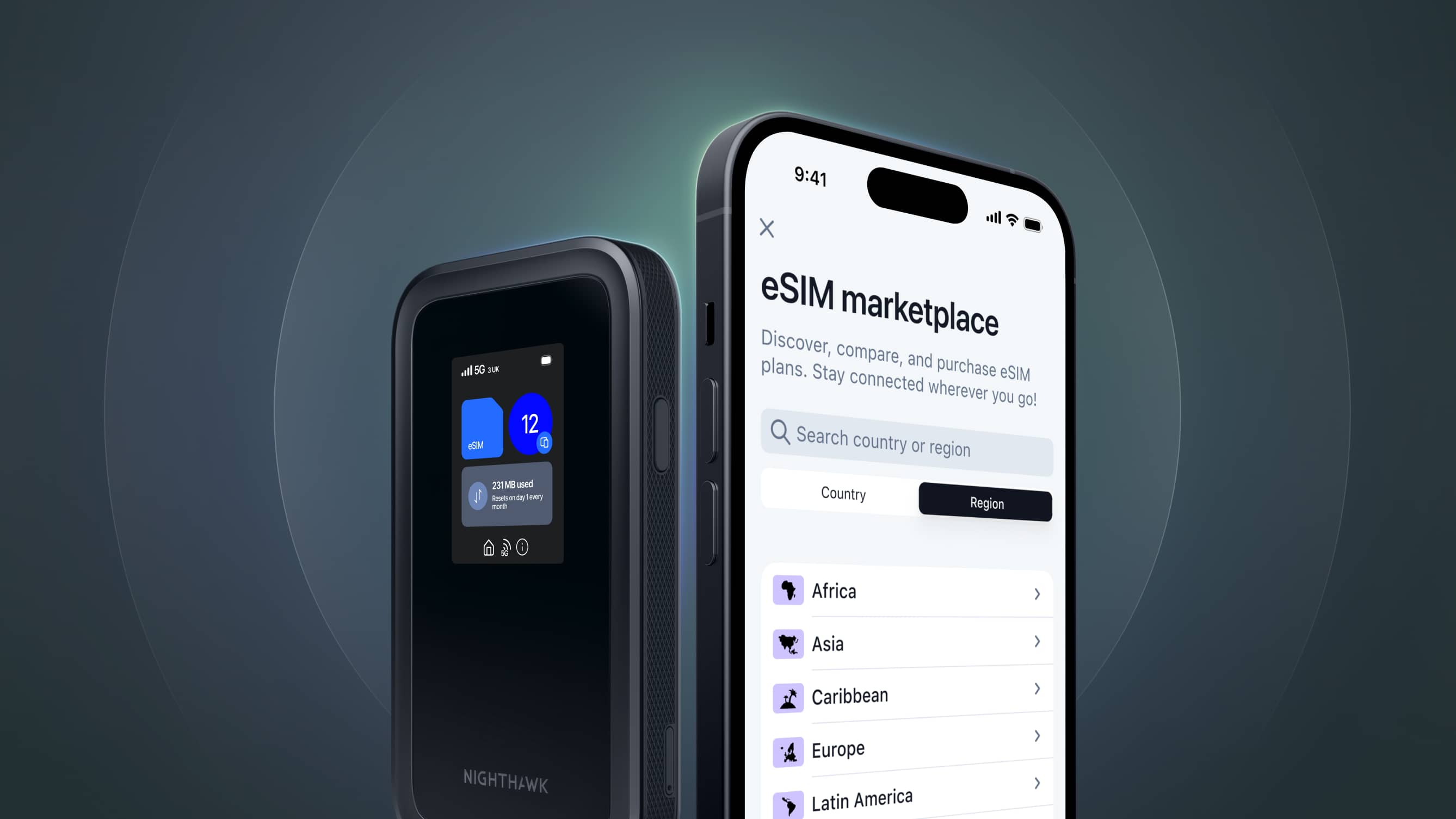
Gigs has created that ideal experience. We plug into telecom carriers, help them make their offerings software-first, and partner with the world’s most loved consumer and business platforms to transform the user experience, remove costs, and bring margin back to the industry. Gigs OS is the new software layer that abstracts away telecom complexity allowing companies to launch and manage mobile plans globally through one API. It’s a win-win for carriers, our partners, and consumers.
Why are fintechs moving into mobile?
As the telecom software layer becomes more accessible, fintechs are emerging as some of the earliest adopters. The leap from banking to mobile plans may seem unexpected, but as Arrefelt shared, “Fintechs are not just financial services anymore. They are becoming daily life platforms that consumers depend on.” This transition has a lot in common with fintechs’ own origin story, over a decade ago. Remember when payments suddenly became a hot topic? Telecom is on the same trajectory.
Arrefelt explained the three underlying forces driving fintechs toward telecom as an area of expansion:
New recurring revenue stream with strong margins
Subscription businesses are powerful engines. Mobile plans represent predictable recurring revenue with higher margins than many financial services add-ons for fintechs.Stronger customer loyalty
“Bundling banking with connectivity raises the switching cost for the user, creating a much stickier product for the fintechs,” said Arrefelt. Customers generally stay longer with providers that combine multiple services into one seamless experience.Expansion into multi-purpose platforms
Fintechs are increasingly competing in a world of apps that handle the essentials of daily life, where payments, shopping, lending, and more coexist. Telecom fits directly into the value they already deliver: transforming complicated, highly regulated products into intuitive, frictionless experiences that users trust. This is why leaders like OnePay and Klarna have already moved into telcom, and why many more are close behind.
Global teams are also demanding a better way to manage phone plans
Fintechs aren’t the only ones feeling the shift. As Stowe and Arrefelt discussed, employee connectivity is rapidly becoming a core necessity for growing companies with distributed teams. Yet as organizations scale internationally, the operational burden rises quickly.
Arrefelt summarized the challenge clearly, “If you are a CISO with employees in ten countries and you want to connect each employee with a phone plan. You need ten contracts with ten different carriers in ten different languages.” That overhead becomes painfully real when every single SIM replacement generates another IT ticket, or when an employee triggers a significant roaming charge from a carrier you don’t have a relationship with and your team wastes days in back-and-forths to resolve it.
These companies face a mess of contracts, carriers, support lines, and billing systems. It’s a problem that even IT teams at the largest enterprises aren’t equipped to solve on their own.
This is where Gigs steps in. “We have partnered with the best networks across dozens of countries so businesses can manage everything programmatically with one API, one contract, and one invoice. There is simply no one else doing that today,” Arrefelt said. The result is stronger corporate security, streamlined operations, and over 90% lower overhead.
As digital automation becomes the operating model for global enterprises, Gigs puts telecom on equal footing with the rest of the modern workflow stack, like email, payroll, and Slack. Slush provided the ideal setting to begin this conversation, and Gigs is proud to lead this new era forward.